How to Plan Your First Royal Enfield Expedition – Complete Beginner’s Touring Guide
How to Plan Your First Royal Enfield Expedition

Planning your first Royal Enfield expedition can feel overwhelming, but with the right preparation, you'll hit the road with confidence and excitement. This guide is designed for new Royal Enfield owners and beginner riders who want to tackle their first long-distance motorcycle adventure without making costly mistakes.
Royal Enfield expedition planning involves more than just picking a destination and riding off into the sunset. You need to choose the right bike model for touring, prepare your machine properly, and pack the essential gear that will keep you safe and comfortable on the road.
We'll walk you through selecting the perfect Royal Enfield model for long-distance riding, covering everything from the Classic 350's reliability to the Himalayan's adventure-ready features. You'll also learn the critical bike preparation steps that prevent breakdowns hundreds of miles from home, plus smart packing strategies that maximize your storage space without overloading your bike.
Ready to turn your Royal Enfield dreams into reality? Let's get you prepared for the adventure of a lifetime.
Choose Your Perfect Royal Enfield Model for Long-Distance Touring
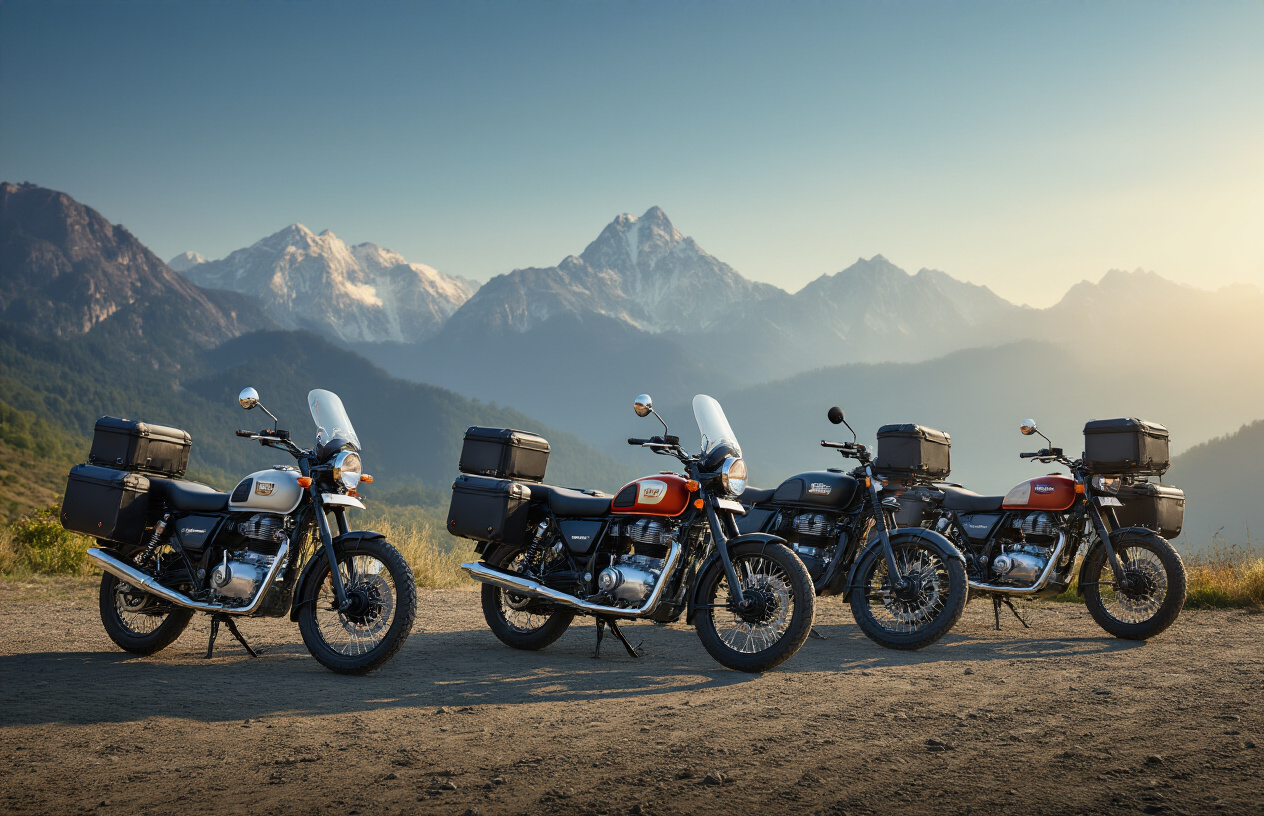
Compare Classic 350 vs Himalayan vs Continental GT vs Meteor 350 Specifications
Selecting the right Royal Enfield model for your first expedition requires understanding each bike's unique characteristics. The Classic 350 stands as the traditional choice with its iconic styling and proven reliability. Its 349cc single-cylinder engine delivers steady performance for Royal Enfield touring adventures. The Himalayan takes adventure seriously with its 411cc engine and ADV-focused design, making it perfect for off-road expedition planning. The Continental GT 650 brings cafe racer aesthetics with a powerful 648cc parallel-twin engine, though it's more suited for highway cruising than rugged terrain. The Meteor 350 offers modern refinement with the same 349cc engine as the Classic but with contemporary styling and improved ergonomics.
| Model | Engine | Power | Torque | Weight |
|---|---|---|---|---|
| Classic 350 | 349cc Single | 20.2 HP | 27 Nm | 195 kg |
| Himalayan | 411cc Single | 24.3 HP | 32 Nm | 199 kg |
| Continental GT 650 | 648cc Twin | 47 HP | 52 Nm | 198 kg |
| Meteor 350 | 349cc Single | 20.2 HP | 27 Nm | 191 kg |
Evaluate Engine Performance and Fuel Efficiency for Extended Rides
Royal Enfield long distance riding demands reliable fuel efficiency and steady power delivery. The Classic 350 and Meteor 350 share identical engines but offer different riding experiences. Both deliver around 35-40 kmpl under normal touring conditions, making them economical choices for extended journeys. The Himalayan's larger engine provides more torque for challenging terrain while maintaining respectable fuel efficiency of 30-35 kmpl. Its additional displacement proves valuable when carrying heavy luggage or tackling steep mountain passes.
The Continental GT 650's twin-cylinder engine offers significantly more power but consumes more fuel at 25-30 kmpl. This makes it excellent for highway stretches but requires more frequent fuel stops during motorcycle expedition planning. The parallel-twin configuration runs smoother at highway speeds and provides effortless overtaking capability.
For first-time expedition riders, the single-cylinder models offer simplicity in maintenance and repairs. Their robust construction and widespread service network across India make them ideal for beginner motorcycle expedition planning. The engines are designed to handle continuous operation at moderate speeds, perfect for the steady pace of touring.
Assess Comfort Features and Riding Position for Multi-Day Journeys
Comfort becomes crucial during multi-day Royal Enfield adventure tours. The Classic 350 offers an upright, relaxed riding position with wide handlebars and a comfortable seat. The riding triangle accommodates various rider heights, though the stock seat might need upgrading for extended comfort.
The Himalayan excels in adventure ergonomics with its tall stance and wide handlebars providing excellent control. The seat height of 800mm might challenge shorter riders, but the commanding riding position offers superior visibility and confidence on varied terrain. The bike's suspension travel handles rough roads better than other models.
The Meteor 350 introduces modern comfort features including a well-cushioned seat and refined riding position. Its footpeg placement and handlebar geometry create a relaxed touring stance. The bike includes practical features like a USB charging port and improved switchgear.
The Continental GT 650 demands a sportier riding position with lower handlebars and rear-set footpegs. While thrilling for spirited rides, this position can cause fatigue during long touring days. The seat, though stylish, prioritizes looks over long-distance comfort.
Consider Luggage Capacity and Mounting Options
Luggage capacity directly impacts your Royal Enfield travel guide preparations. The Himalayan leads with purpose-built mounting points for panniers and top boxes. Its sturdy rear rack can handle significant weight, and the bike's frame accommodates various aftermarket luggage systems. The front rack option allows additional carrying capacity for camping gear.
The Classic 350 and Meteor 350 offer good luggage mounting options through aftermarket solutions. Both bikes can accommodate tail bags, tank bags, and pannier systems, though mounting requires additional hardware. The Meteor's cleaner design provides slightly better integration of modern luggage systems.
The Continental GT 650's sporty design limits luggage options. Its cafe racer styling conflicts with large touring bags, though small tail bags and tank bags work well for light touring. The bike suits weekend trips better than extensive expeditions requiring substantial gear.
Tank bag capacity varies across models, with the Himalayan offering the largest practical mounting area. All models support 15-20 liter tank bags, providing convenient access to essentials like maps, snacks, and electronics during your Royal Enfield expedition planning.
Essential Pre-Expedition Bike Preparation and Maintenance
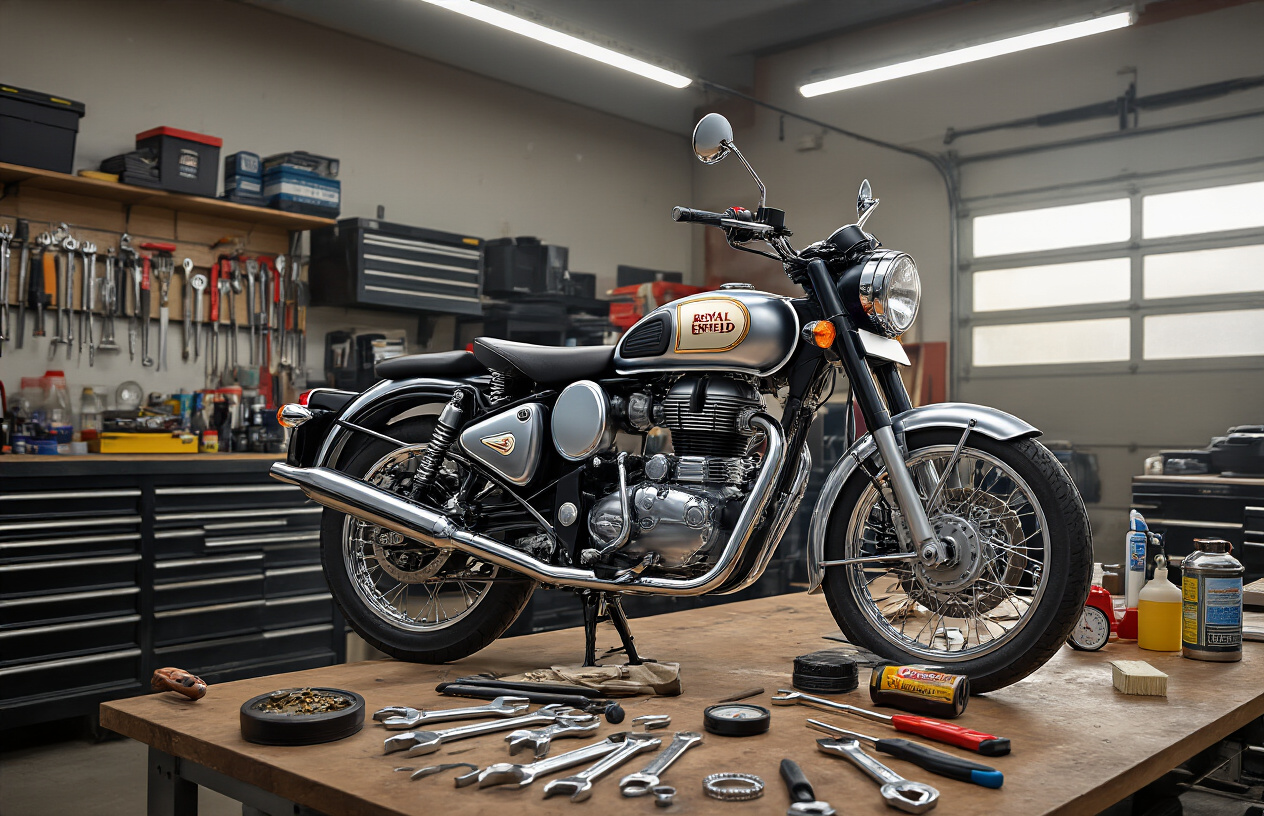
Complete Comprehensive Mechanical Inspection Checklist
Before embarking on your Royal Enfield expedition planning journey, your bike needs a thorough health check. Start with the engine basics - check oil levels, coolant, and examine all fluid leaks. Look for worn gaskets, loose bolts, or any signs of oil seepage around the cylinder head and crankcase. Royal Enfield engines are robust, but they demand proper maintenance for long distance riding.
Inspect your brakes meticulously. Check brake pad thickness, examine brake fluid levels, and test both front and rear brake responsiveness. Squealing or grinding sounds indicate immediate replacement needs. Your brake lines should be free from cracks, bulges, or moisture contamination.
The clutch system requires special attention for Royal Enfield touring guide preparation. Test clutch engagement and disengagement smoothness. Adjust the clutch cable tension if you notice slipping or hard engagement. A properly functioning clutch prevents mid-journey breakdowns that could derail your adventure plans.
Chain and sprocket condition directly impacts your bike's performance. Measure chain stretch, check sprocket tooth wear, and clean the entire drive system. A well-maintained chain reduces power loss and prevents costly repairs during your expedition.
Electrical systems often cause unexpected failures. Test your headlight, taillight, indicators, horn, and charging system. Check battery terminals for corrosion and measure voltage output. Carry spare fuses and basic electrical repair tools for roadside fixes.
Upgrade Critical Components for Reliability and Performance
Your stock Royal Enfield benefits from strategic upgrades for motorcycle expedition planning. Replace the standard air filter with a high-flow K&N filter for better engine breathing, especially in dusty conditions common during adventure tours.
Consider upgrading your suspension components. Aftermarket rear shock absorbers like YSS or Ohlins provide better load-carrying capacity and improved comfort over long distances. Front fork oil replacement with heavier weight oil enhances stability during loaded touring.
The exhaust system upgrade improves both performance and sound. A free-flowing exhaust reduces back pressure and gives your engine better breathing room for sustained highway speeds.
Tires represent your most critical safety component. Replace worn tires with dual-sport options like Pirelli Scorpion Rally STR or Continental TKC80 that handle both tarmac and off-road conditions effectively.
Install Expedition-Specific Accessories and Protection Gear
Protection gear transforms your Royal Enfield bike preparation from basic to expedition-ready. Engine guards protect your motor from rocks and minor drops. Radiator guards prevent stone damage that could leave you stranded with overheating issues.
Install crash bars and frame sliders to minimize damage from potential falls. These accessories pay for themselves if you experience even one minor spill during your journey.
Luggage systems require careful selection for motorcycle touring tips success. Hard panniers offer weather protection and security, while soft bags provide flexibility and weight savings. Top boxes add valuable storage space for frequently accessed items.
Auxiliary lighting improves visibility during dawn and dusk riding periods. LED fog lights or driving lights help penetrate dust clouds and provide better illumination in challenging conditions.
Break-in Your Bike with Shorter Practice Rides
Don't jump directly from garage to expedition. Your first Royal Enfield trip preparation demands progressive conditioning through shorter rides. Start with day trips covering 200-300 kilometers to test your setup and identify potential issues.
Weekend camping trips simulate expedition conditions while keeping you close to home base. These practice runs reveal luggage balance problems, comfort issues, and mechanical concerns before you're hundreds of kilometers from help.
Test your upgraded components under real-world conditions. New suspension settings, different tire pressures, and loaded weight distribution all affect handling characteristics that require familiarity before long-distance travel.
Use practice rides to develop your riding rhythm and endurance. Royal Enfield adventure tour success depends on rider conditioning as much as mechanical preparation. Build up your riding stamina gradually while fine-tuning your bike's setup for optimal performance.
Plan Your Route and Navigate Like a Pro
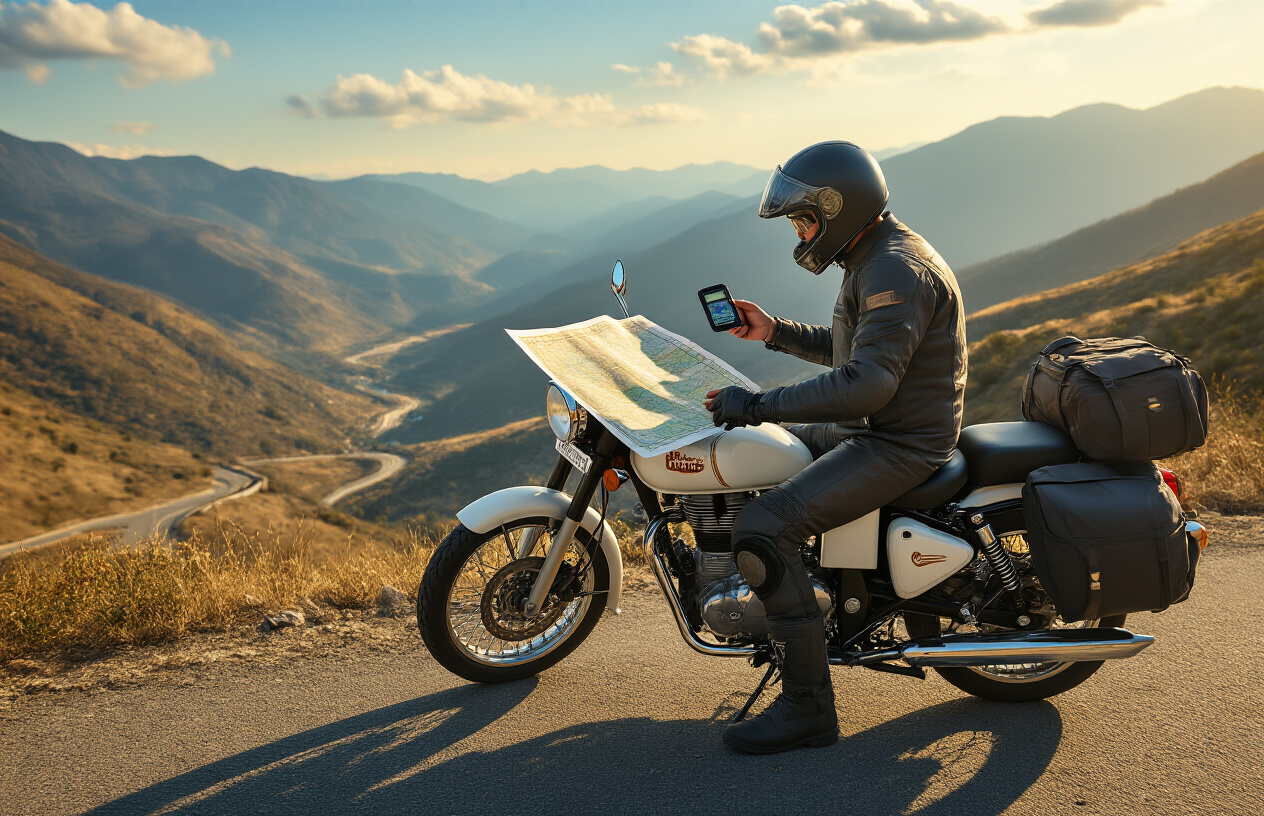
Research Scenic Highways and Motorcycle-friendly Roads
Finding the perfect route for your Royal Enfield expedition planning starts with identifying roads that welcome motorcycles and offer stunning views. Mountain passes, coastal highways, and winding country roads provide the best experiences for Royal Enfield touring guide adventures.
Start by exploring motorcycle forums and travel blogs where seasoned riders share their favorite routes. Popular destinations like the Blue Ridge Parkway, Pacific Coast Highway, or mountain routes through Colorado offer incredible scenery and well-maintained roads perfect for your first Royal Enfield trip.
Check road conditions and seasonal closures before committing to any route. Some mountain passes close during winter months, while coastal roads might face construction delays. State transportation websites provide real-time updates on road conditions, construction zones, and weather-related closures.
Consider your riding experience when selecting routes. Challenging mountain curves and high-altitude passes can be demanding for beginner motorcycle expedition riders. Start with moderate terrain and gradually work up to more challenging routes as your confidence grows.
Identify Fuel Stations and Service Centers Along Your Path
Royal Enfield long distance riding requires careful attention to fuel planning, especially in remote areas where gas stations might be 100+ miles apart. Create a detailed fuel stop map showing every station along your route, including their operating hours and available services.
Use apps like GasBuddy or Waze to locate fuel stations and check real-time prices. Mark backup options in case your primary fuel stop is closed or experiencing issues. Remote desert areas and mountain passes often have limited fuel availability, making this planning absolutely critical.
Research motorcycle-friendly service centers along your route. Look for shops that specialize in Royal Enfield bikes or have experience with classic motorcycles. Note their contact information, operating hours, and services offered. Many shops close on weekends or have limited hours, so plan accordingly.
Create a emergency contact list including:
-
Roadside assistance numbers
-
Local Royal Enfield dealers
-
Recommended repair shops
-
Towing services familiar with motorcycles
Download Offline Maps and GPS Backup Systems
Technology failures happen at the worst possible moments during motorcycle touring tips adventures. Prepare multiple navigation backup systems to prevent getting stranded in unfamiliar territory.
Download offline maps covering your entire route plus surrounding areas. Google Maps, Maps.Me, and Gaia GPS offer excellent offline capabilities. Download maps while connected to WiFi before departure, as cellular coverage can be spotty in remote areas.
Invest in a dedicated motorcycle GPS unit designed to withstand weather and vibration. Garmin and TomTom offer ruggedized units with motorcycle-specific features like curvy road preferences and weather resistance. These units often work better than smartphones in challenging conditions.
Carry physical backup maps as your final safety net. AAA maps, atlases, or printed route maps don't require batteries or signal strength. Waterproof map cases protect them from weather while keeping them easily accessible.
Practice using all navigation systems before departure. Learn how to input waypoints, create alternate routes, and access offline features. Fumbling with unfamiliar technology while riding creates dangerous situations.
Create Flexible Daily Mileage Targets and Rest Stops
Royal Enfield adventure tour success depends on realistic daily mileage planning that accounts for road conditions, weather, and your endurance level. Most riders comfortably cover 250-400 miles per day on touring bikes, but Royal Enfields might require more conservative estimates due to their cruising characteristics.
Plan rest stops every 75-100 miles to stretch, hydrate, and check your bike. Look for scenic viewpoints, historical markers, or interesting towns that add value to your journey beyond just fuel stops. These breaks prevent fatigue and make your expedition more enjoyable.
Build flexibility into your motorcycle expedition planning by identifying multiple lodging options at each overnight stop. Book your first and last nights in advance, but leave middle nights open for spontaneous decisions based on weather, road conditions, or interesting discoveries along the way.
Create backup plans for shortened or extended days. Weather delays, mechanical issues, or unexpected attractions might force route modifications. Having alternate accommodations and flexible schedules reduces stress when plans change unexpectedly.
Monitor weather forecasts and adjust daily targets accordingly. Riding in rain, strong winds, or extreme temperatures significantly reduces safe travel distances and increases fatigue levels.
Pack Smart with the Right Gear and Equipment
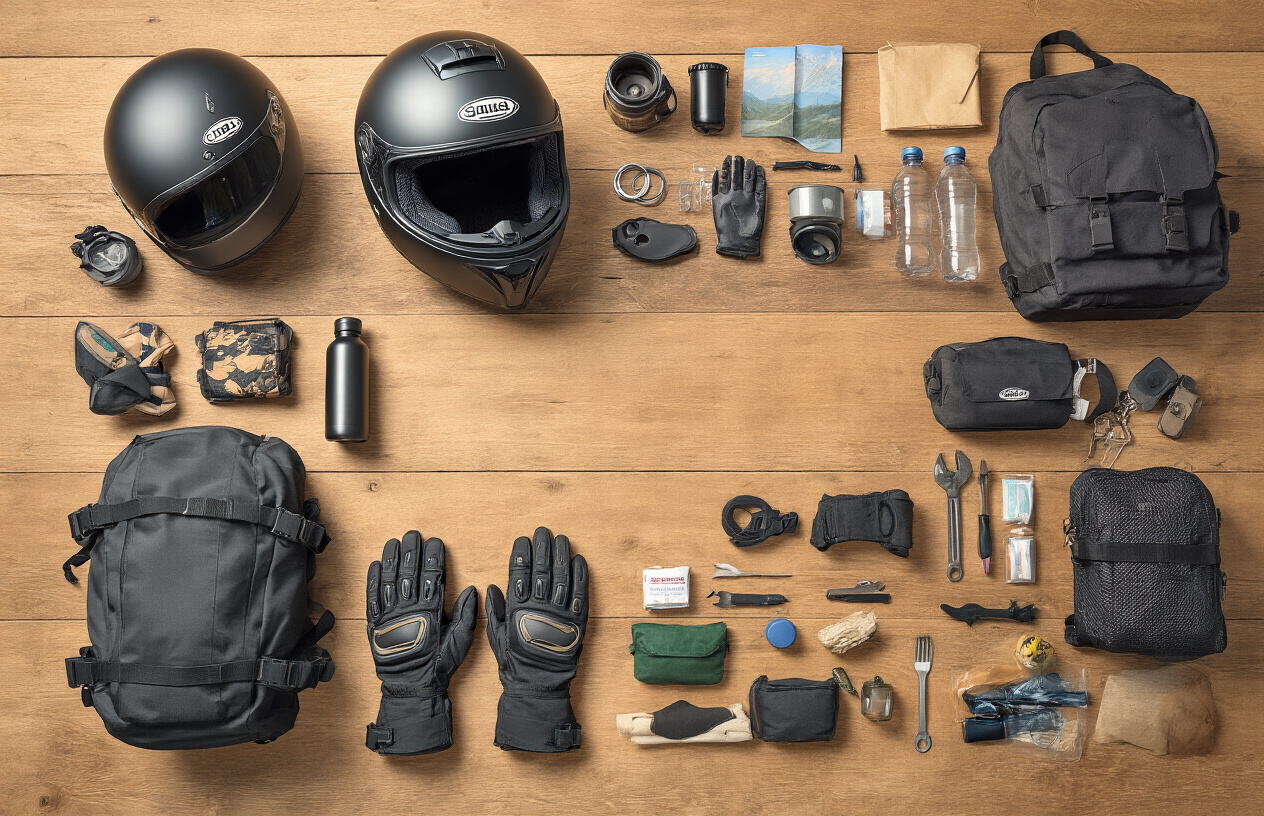
Select Lightweight Camping and Sleeping Essentials
Your Royal Enfield expedition planning depends heavily on choosing the right camping gear that won't weigh you down. Every gram matters when you're covering hundreds of miles daily on your first Royal Enfield trip.
Start with a compact two-person tent even if you're riding solo - the extra space provides comfort without significant weight penalty. Look for tents under 2.5kg with aluminum poles and silnylon fabric. The MSR Hubba Hubba or Big Agnes Copper Spur series work perfectly for motorcycle touring.
Your sleeping system makes or breaks your rest quality. Choose a sleeping bag rated 10°C below expected nighttime temperatures. Down bags pack smaller than synthetic alternatives, but synthetic bags perform better in humid conditions. Pair this with a closed-cell foam pad (like Therm-a-Rest Z Lite) that doubles as a bike seat cushion during breaks.
A lightweight camping pillow or inflatable pillow saves precious space compared to using spare clothes. Pack a compact headlamp with extra batteries - you'll need hands-free lighting for evening bike maintenance and campsite setup.
For cooking, skip heavy camp stoves. A simple titanium pot, lightweight gas canister stove, and spork handle all your meal needs. Many experienced riders swear by single-wall titanium cookware that heats quickly and packs small.
Choose Weather-Appropriate Riding Gear and Clothing Layers
Royal Enfield long distance riding exposes you to dramatically changing weather conditions. Your gear strategy should follow the layering principle - base layer, insulation layer, and outer shell.
Invest in quality riding pants and jacket with removable thermal liners. Brands like Rev'It, Klim, or Alpinestars offer modular systems perfect for motorcycle expedition planning. Your outer shell should feature CE-approved armor at elbows, shoulders, knees, and back.
Base layers made from merino wool or synthetic moisture-wicking materials regulate body temperature better than cotton. Pack two sets - one for riding, one for sleeping. Mid-layers like fleece or down vests add warmth without bulk.
Waterproof gear is non-negotiable. Even if weather forecasts look perfect, mountain weather changes quickly. Your rain gear should fit over your protective equipment without restricting movement. Frogg Toggs and similar lightweight rain suits work well for budget-conscious riders.
Don't forget extremities - waterproof gloves, warm liner gloves, and proper riding boots make long days bearable. Pack an extra pair of socks for each day plus two spare pairs.
Pack Emergency Repair Tools and Spare Parts Kit
Your Royal Enfield touring guide isn't complete without addressing roadside repairs. Royal Enfields are reliable, but remote locations don't have nearby service centers.
Essential tools include metric socket set (8mm-19mm), combination wrenches, screwdrivers (flathead and Phillips), tire levers, and a quality tire pressure gauge. The Royal Enfield toolkit covers basics, but add a proper multi-tool with pliers and wire cutters.
Critical spare parts for your first Royal Enfield trip: spare tubes (two minimum), tire patch kit, chain links, fuses (various amperages), spark plug, clutch cable, and throttle cable. These items address 90% of common roadside issues.
Pack electrical tape, zip ties, bailing wire, and JB Weld epoxy putty - these "field expedient" repair materials fix countless problems temporarily. A small bottle of engine oil and chain lube keeps your bike running between service stops.
Consider a compact 12V air compressor that plugs into your bike's power outlet. Tubeless tire plugs can get you back on the road when a new tube isn't feasible.
Organize Panniers and Luggage for Optimal Weight Distribution
Proper weight distribution transforms your Royal Enfield's handling characteristics. Poor packing creates dangerous instability, especially during crosswinds or emergency maneuvers.
Mount 60% of your total weight in low-mounted panniers, keeping heavier items like tools and spare parts at the bottom. The remaining 40% goes in a top box or tail bag, with lighter items like clothing and sleeping gear.
Hard panniers offer superior protection but add weight. Soft panniers provide flexibility and easier packing but require waterproof liners. Popular choices include Touratech, SW-Motech, or budget-friendly Oxford panniers.
Balance left and right panniers within 2-3kg of each other. Uneven loading affects handling and accelerates suspension wear. Use packing cubes or stuff sacks to organize contents - this prevents items from shifting during riding.
Keep daily essentials easily accessible: rain gear, snacks, phone charger, and documents. Pack your sleeping bag and tent last since you'll need them first at camp.
Secure everything with compression straps or bungee nets. Loose items become projectiles during sudden stops or crashes. Your motorcycle touring tips arsenal should always include backup tie-down methods - things come loose on rough roads.
Master Budget Planning and Cost Management
Calculate Fuel Costs and Daily Expense Estimates
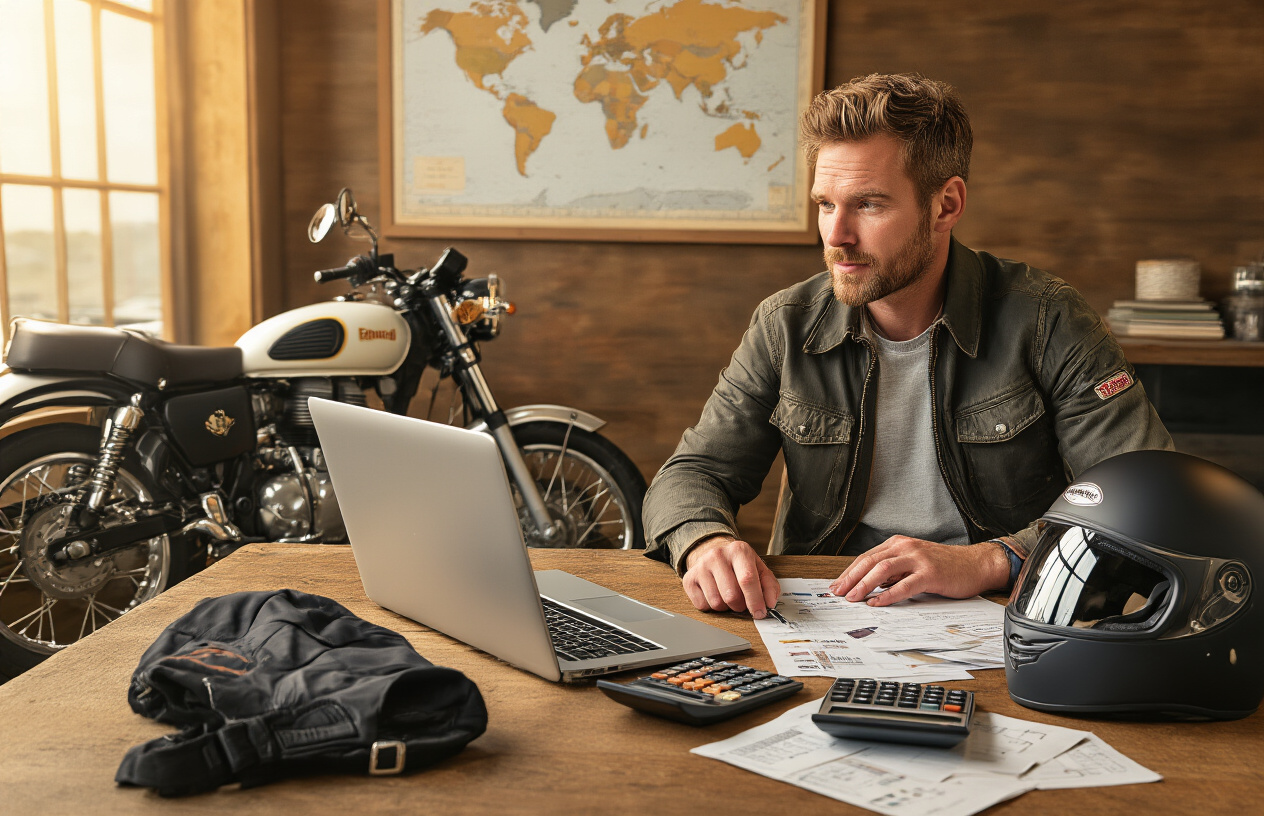
Planning your Royal Enfield expedition budget starts with understanding your biggest expense: fuel. Your Royal Enfield's fuel consumption will typically range between 35-45 kmpl depending on your model, riding style, and terrain. Calculate your daily fuel costs by dividing your planned daily distance by your bike's average mileage, then multiply by current fuel prices along your route.
Create a daily expense tracker that includes:
-
Fuel: ₹800-1,200 per day for 300-400km rides
-
Food: ₹600-1,000 per day (mix of roadside dhabas and restaurants)
-
Accommodation: ₹800-2,500 per night depending on your choice
-
Tolls and parking: ₹200-500 per day
-
Miscellaneous: ₹300-500 for snacks, beverages, and small purchases
Royal Enfield touring enthusiasts recommend adding a 20% buffer to your calculated expenses. Mountain routes and remote areas often have higher fuel prices, sometimes ₹5-10 more per liter than city rates. Download fuel price apps and plan refueling stops at competitive stations.
Research Affordable Accommodation Options and Camping Sites
Smart accommodation planning can slash your Royal Enfield expedition costs significantly. Diversify your lodging strategy across multiple price points and booking platforms.
Budget-Friendly Options:
| Accommodation Type | Price Range | Booking Platform | Benefits |
|---|---|---|---|
| Youth Hostels | ₹400-800/night | Hostelworld, Zostel | Social atmosphere, shared costs |
| Guesthouses | ₹800-1,500/night | OYO, FabHotels | Basic amenities, bike parking |
| Homestays | ₹1,000-2,000/night | Airbnb, Local contacts | Authentic experience, home-cooked meals |
| Camping | ₹200-600/night | Camping sites, Wild camping | Adventure, minimal cost |
Research camping-friendly destinations along your route. Many hill stations and tourist spots offer designated camping areas with basic facilities. Popular Royal Enfield expedition routes like Manali-Leh or Spiti Valley have established camping networks. Always check local regulations before wild camping.
Book accommodations 2-3 days in advance rather than months ahead. This flexibility lets you adjust your itinerary based on weather, road conditions, or simply how you feel. Last-minute deals often pop up, especially during off-peak seasons.
Set Aside Emergency Funds for Unexpected Repairs
Royal Enfield long distance riding demands a robust emergency fund. Mechanical issues can strike anywhere, and remote locations often mean higher repair costs and limited spare parts availability.
Allocate 25-30% of your total budget for emergencies. This covers:
Common Royal Enfield Issues and Costs:
-
Puncture repairs: ₹100-300 per tire
-
Chain and sprocket replacement: ₹2,000-4,000
-
Brake pad replacement: ₹800-1,500
-
Electrical issues: ₹1,000-3,000
-
Engine oil change: ₹800-1,200
Keep emergency funds in multiple forms: cash (₹10,000-15,000), debit cards, and digital wallets. Rural areas often operate on cash-only basis, while cities accept digital payments. Inform your bank about travel plans to avoid card blocks.
Research authorized Royal Enfield service centers along your route. Note their contact numbers and operating hours. Many experienced riders also recommend carrying a basic toolkit and learning fundamental repairs like chain adjustment, puncture fixes, and oil checks.
Find Group Booking Discounts and Shared Expense Opportunities
Group travel transforms your Royal Enfield expedition planning from expensive solo adventure to budget-friendly shared experience. Leverage collective bargaining power for substantial savings across all expense categories.
Group Booking Benefits:
-
Accommodation: 15-40% discounts for group bookings (4+ rooms)
-
Food: Negotiated meal rates at dhabas and restaurants
-
Fuel: Shared riding reduces individual consumption through drafting
-
Permits: Split costs for restricted area permits (Ladakh, Spiti)
-
Guide services: Shared local guide expenses
Join Royal Enfield expedition planning communities on social media platforms. Facebook groups, WhatsApp communities, and motorcycle forums regularly organize group rides. Popular groups often have pre-negotiated rates with hotels and tour operators along common routes.
Consider splitting expenses beyond accommodation:
-
Spare parts: Buy common items in bulk
-
Tools: Share toolkit weight and costs
-
Emergency funds: Create group emergency pool
-
Vehicle support: Split costs for backup vehicle on challenging routes
Solo riders can still benefit by connecting with other motorcyclists at popular stops. Many Royal Enfield touring enthusiasts are open to temporary partnerships for specific route segments, especially challenging passes or remote areas where safety improves with numbers.
Track shared expenses using apps like Splitwise or simple shared spreadsheets. Clear expense agreements prevent conflicts and ensure everyone enjoys their adventure without financial stress.
Prepare Physically and Mentally for the Challenge

Build Stamina Through Regular Riding Practice Sessions
Your body needs serious conditioning before embarking on a Royal Enfield expedition. Long-distance motorcycle touring demands physical endurance that casual weekend rides simply don't prepare you for. Start building your riding stamina at least 2-3 months before your planned expedition.
Begin with short daily rides of 30-45 minutes, gradually increasing to 2-3 hour sessions. Focus on maintaining proper riding posture throughout these practice runs - slouching will create back pain that becomes unbearable during long touring days. Pay attention to your grip tension on the handlebars; many riders develop severe arm and shoulder fatigue from gripping too tightly.
Practice riding in different weather conditions and varying road surfaces. Rain riding feels completely different from dry conditions, and your Royal Enfield will handle differently on gravel, dirt, or wet pavement. These practice sessions help you understand your bike's behavior while building the muscle memory needed for safe expedition riding.
Schedule longer weekend rides of 4-6 hours to simulate expedition conditions. Stop every 100-150 kilometers to stretch and hydrate, just as you would during your actual trip. These breaks prevent muscle stiffness and keep your mind sharp for navigation and hazard awareness.
Develop Basic Motorcycle Maintenance and Repair Skills
Royal Enfield expedition planning requires hands-on mechanical knowledge. Remote areas won't have motorcycle service centers, so you become your bike's primary mechanic during the journey. Master these essential repair skills before departing.
Learn to change engine oil, adjust chains, and replace spark plugs. Practice these procedures multiple times until you can perform them quickly and confidently. Chain maintenance becomes critical during long-distance Royal Enfield riding, as chains stretch and require frequent adjustments.
Understand your bike's electrical system, including fuse locations and basic wiring troubleshooting. Carry spare fuses, bulbs, and basic electrical tools. Many expedition breakdowns involve simple electrical issues that proper preparation easily prevents.
Practice tire repair and replacement procedures. Punctures happen frequently during adventure touring, especially on mixed terrain. Master both tube patching techniques and complete tire changes. Time yourself performing these repairs - roadside efficiency matters when weather conditions deteriorate rapidly.
Study your Royal Enfield's service manual thoroughly. Identify common failure points specific to your model and carry appropriate spare parts. Classic Enfield models like the Bullet 350 have different maintenance requirements compared to newer models like the Himalayan.
Study Weather Patterns and Seasonal Riding Conditions
Weather research forms a crucial component of Royal Enfield touring guide preparation. Different regions experience distinct seasonal patterns that dramatically affect riding conditions and safety.
Research monsoon patterns if touring during India's rainy season. Heavy rains create dangerous riding conditions, especially on mountain roads. Plan alternative routes that avoid flood-prone areas and steep mountain passes during peak monsoon months. Some high-altitude regions become completely inaccessible during winter months due to snow and ice.
Study temperature variations across your planned route. Mountain regions can experience 20-30 degree temperature swings between day and night, requiring diverse clothing options. Desert areas present extreme heat challenges that demand early morning departure times and frequent hydration stops.
Wind patterns significantly impact motorcycle stability and fuel consumption. Coastal routes often feature strong cross-winds that require constant steering corrections. Research seasonal wind directions and plan daily riding schedules accordingly.
Monitor extended weather forecasts starting two weeks before departure. Modern weather apps provide detailed precipitation predictions and temperature trends that help refine your final route decisions and packing choices.
Create Contingency Plans for Emergencies and Breakdowns
Motorcycle expedition planning demands comprehensive emergency preparation. Remote locations limit rescue options, making self-reliance essential for expedition success.
Develop mechanical breakdown protocols for common Royal Enfield issues. Identify authorized service centers along your route and save their contact information offline. Research local motorcycle mechanics in smaller towns - they often provide excellent service for classic Royal Enfield models.
Create medical emergency action plans. Carry a comprehensive first aid kit and learn basic wound treatment procedures. Identify hospitals and clinics along your route, especially in remote areas where medical facilities become scarce.
Establish communication protocols with family and friends. Share your daily itinerary with trusted contacts and establish regular check-in schedules. Carry backup communication devices like satellite communicators for areas with poor cellular coverage.
Plan financial contingencies for unexpected expenses. Mechanical repairs, extended accommodation stays, and emergency transportation can quickly exceed your budget. Carry emergency cash reserves and understand local banking options along your route.
Research local customs and regulations for each region you'll traverse. Some areas require special permits for foreign travelers or have specific motorcycle documentation requirements. Understanding local laws prevents complications during police checkpoints or border crossings.
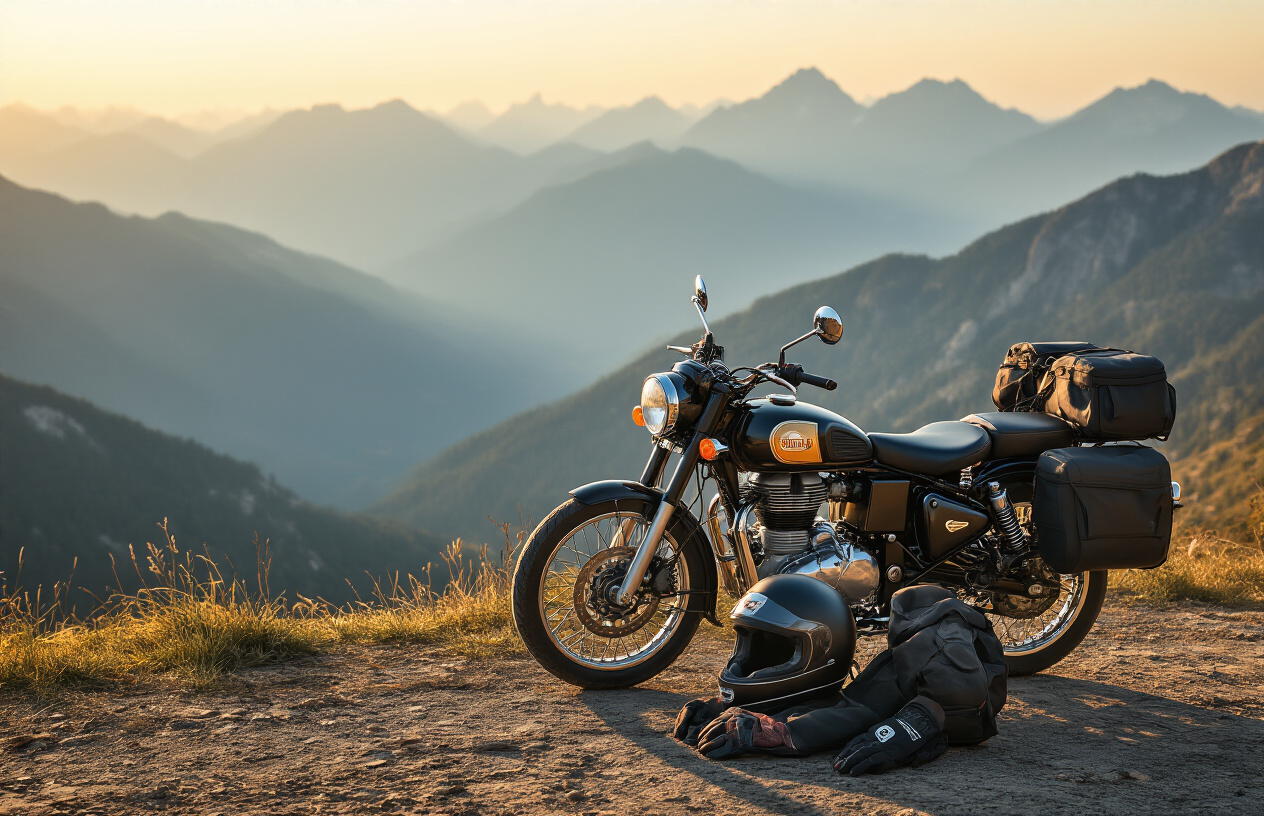
Royal Enfield expeditions offer an incredible way to explore new places while pushing your limits on two wheels. From selecting the right bike model to getting your body and mind ready for the journey, each step in the planning process sets you up for success on the road. The key is balancing practical preparation with the spirit of adventure that draws us to these epic rides in the first place.
Start planning your expedition today by picking your Royal Enfield model and mapping out that dream route you've been thinking about. Remember that the best expeditions aren't just about reaching your destination – they're about the stories you'll collect, the challenges you'll overcome, and the confidence you'll build along the way. Your first Royal Enfield expedition is waiting, and with solid preparation behind you, it's going to be everything you've imagined and more.


Thank you for reading 🙏
ReplyDelete